Why Does My Carpet Get Dirty Faster After Cleaning?
Quick answer
Carpet that looks dirty soon after cleaning may have leftover detergent, a spot wicking up as it dries, soil tracked onto damp fibers, or wear that cleaning cannot reverse. Notice whether the problem is a returning spot, widespread stickiness, or a dull traffic lane. Let the carpet dry, document the change, and contact the cleaner before adding more product.
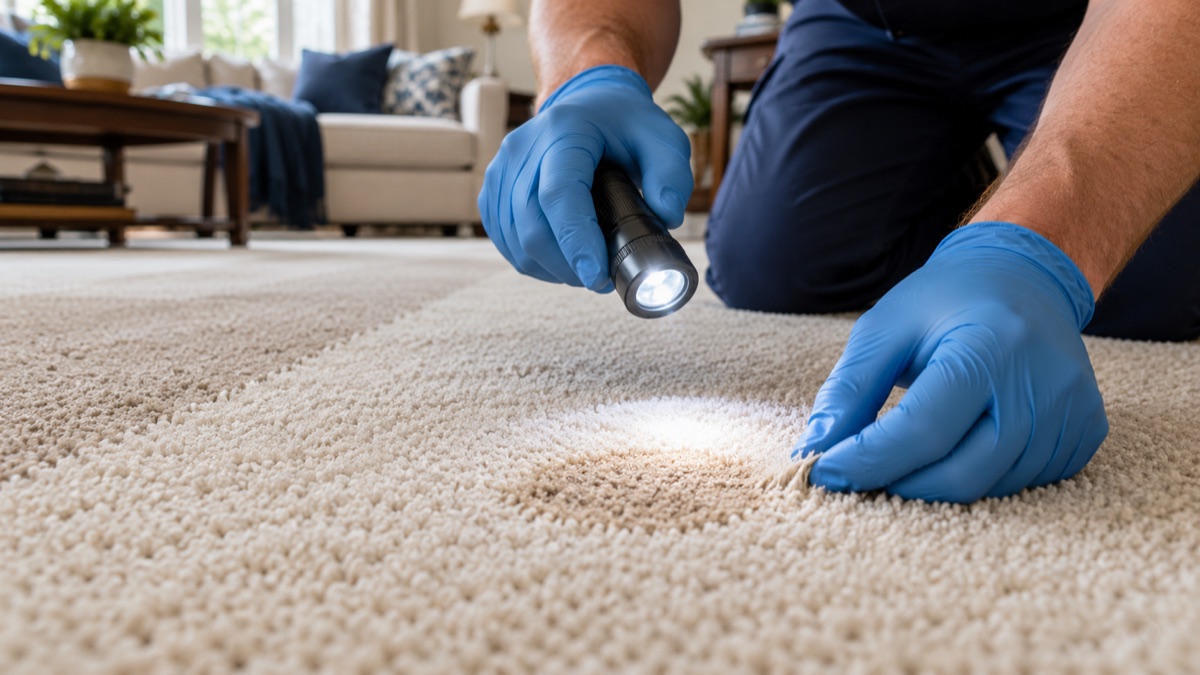
Is the carpet collecting new dirt or showing an old problem?
The distinction matters. A spot that returns in exactly the same place is different from a room that gradually soils through ordinary use. A traffic lane may also look dull because of worn fibers rather than remaining dirt. Note when the change appeared and whether it affects one location or the whole room.
| What you notice | Possible explanation | Useful next step |
|---|---|---|
| Sticky feel and fast overall soiling | Cleaning-product residue or unresolved oily soil. | Ask the cleaner to assess recovery and product use. |
| The same spot returns during drying | Residual material moving toward the surface with moisture. | Photograph it and request a targeted assessment. |
| New marks after people used damp carpet | Fresh soil transferred during early traffic. | Improve aftercare and keep traffic off until cleared. |
| Dull or flattened traffic lanes | Wear, pile distortion, or permanent color change. | Ask which changes cleaning can realistically improve. |
Can leftover detergent attract dirt?
The Carpet and Rug Institute’s cleaning science paper discusses resoiling residue from excess chemicals and the role of recovery. Using the correct product amount and completing the recovery step matter. Adding more detergent at home is not a useful response to a carpet that already feels sticky.
What is carpet wicking?
Wicking describes moisture carrying residual material toward the visible surface as an area dries. A spot may look improved during cleaning and reappear later. It does not necessarily mean new dirt has arrived. The technician may need to reassess the original spill, contamination depth, and moisture handling rather than repeat the entire room’s treatment.
Pet spots deserve particular attention because affected backing or padding can retain contamination. Tell the cleaner whether the same area has had several accidents and what products were previously used. Our pet urine guide explains why surface cleaning has limits.
Why does a traffic lane still look dark?
Cleaning removes soil; it does not rebuild damaged pile, restore missing fibers, or reverse every color change. A damp carpet’s appearance can also differ from its final dry appearance. Wait for the expected drying period, then review the result with the cleaner before deciding that the dark area is removable dirt.
What should you do if the carpet looks worse?
- Allow the carpet to dry within the expected window. Call sooner if it is unusually wet or develops a musty smell.
- Photograph the affected area and record when the change appeared.
- Write down any cleaners used before or after the service.
- Contact the company and describe whether the issue is a spot, sticky texture, odor, or traffic-lane appearance.
- Avoid adding another spray, powder, or wet cleaning pass until the cause is assessed.
How do you prevent rapid resoiling?
Keep outdoor shoes and pets off damp carpet, maintain clean entry mats, and resume routine vacuuming after the carpet is dry. Follow the technician’s instructions for furniture and normal use. When comparing services, ask about pre-treatment, agitation, rinsing, and recovery instead of focusing only on machine power.
Lotus Brothers uses hot water extraction carpet cleaning with pre-treatment and aftercare guidance for Northwest Arkansas homes. Our four cleaning factors guide explains why a balanced process and proper finishing matter.
Frequently asked questions
Does professional carpet cleaning make carpet attract dirt?
A properly selected and completed cleaning process should not rely on leaving sticky detergent behind. Rapid resoiling can have several causes, so ask the cleaner to assess residue, moisture, traffic, and existing wear.
Why did the same carpet stain come back?
Residual material may have moved to the surface while drying, or contamination may remain below the pile. Record the timing and ask for targeted assessment rather than repeatedly soaking the spot.
Should I clean a returning stain again myself?
Contact the cleaner first. More detergent or water can complicate residue or moisture problems. Share photos and the products already used so treatment can address the likely cause.